Scan, Order and Pay: What the Table QR Should Actually Do
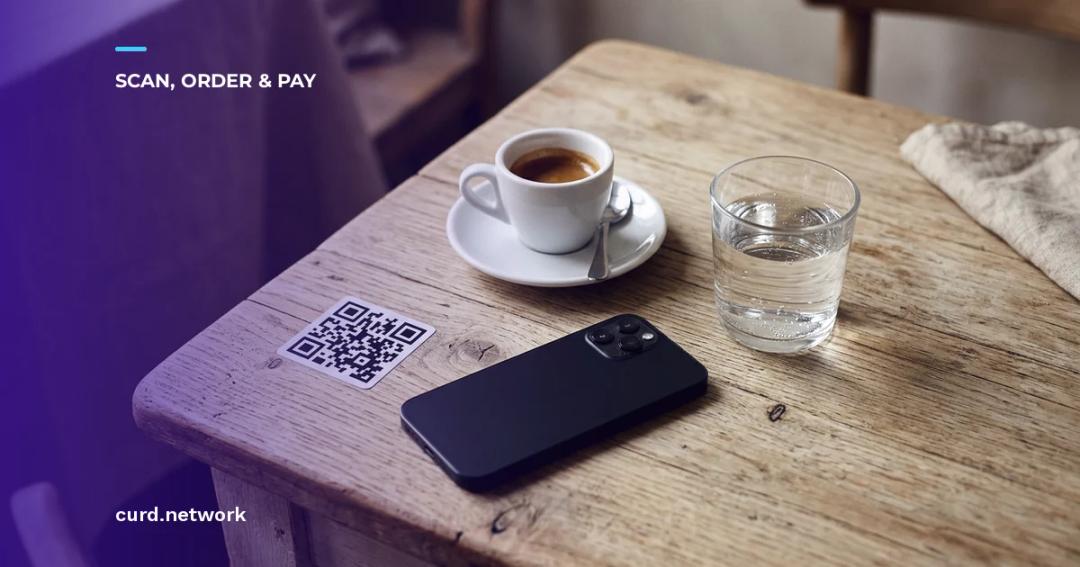
The table QR code earned its bad reputation honestly. For a couple of years it mostly meant a blurry PDF of a menu, pinched and scrolled on a phone, while you waited for a waiter anyway.
That was a failure of implementation, not of the idea. A code on a table knows something no app knows: which restaurant, which table, right now. That is a genuinely useful starting point, and almost none of the early ones used it.
What the code knows
A well-made table code carries the venue, the branch and the table number. Everything that follows should use all three — the menu that is actually available at this branch tonight, the bill for this table, the order going to this kitchen.
If scanning the code gives you the same thing a search for the restaurant would have given you, the code is decoration.
The four things it should do
Judged by what actually removes friction from a meal rather than what demos well:
Open the real menu Prices, photos, what is unavailable tonight. Not a PDF. If an item is off, it should not be listed.
Take the order Straight to the kitchen, with your modifications attached, without waiting to catch someone's eye.
Split the bill properly By item, not just evenly. The person who had a salad and water should not be subsidising the table's wine.
Let each person pay their own Separately, from their own phone, without one person fronting the whole bill and chasing the rest by message for a week.
No download, or it does not count
The single most important property of a table code is that it must work for someone who has never heard of the system before and is not going to install anything to eat dinner.
A code that opens an app store page has failed. Browser first, every time — and if there is an app, it should be an offer made after the meal has been dealt with, not a toll gate before it.
The quiet benefit: the bill is checkable
An itemised bill on your own screen, updating as the meal goes, is a better consumer protection than any amount of small print. You can see what was added, what it cost and what the service charge actually is before you agree to it.
Disputes at the end of a meal are almost always information problems. Showing the information as it accumulates removes most of them.
What to watch out for
Two things. First, whether paying through the code costs you more than paying at the counter — it should not, and a service fee that only appears on the digital path is a fee for using the thing that saves the restaurant money.
Second, what happens to your card details. A table code should not be asking you to create an account and store a card to buy a sandwich.
More Blogs

Decentralizing Influence: Empowering Everyday Users To Influence Business Decisions
April 2, 2024
Read More